Thinning a Mature Apple Tree to Improve Health and Light
Selective crown thinning to reduce congestion, improve airflow, and support healthier fruit production.
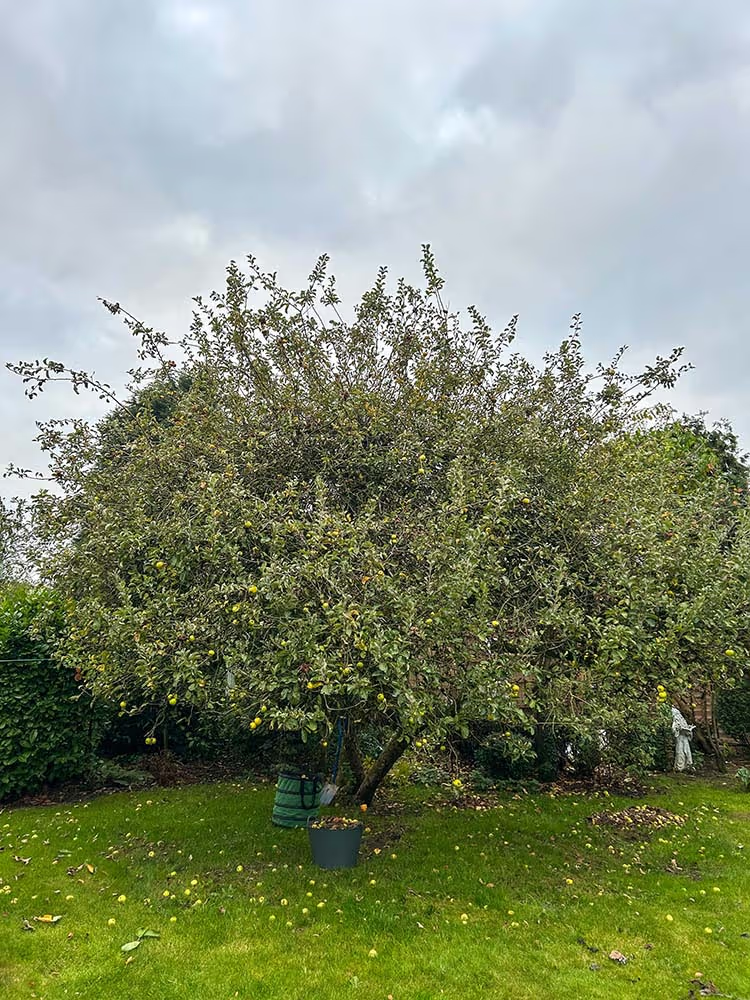
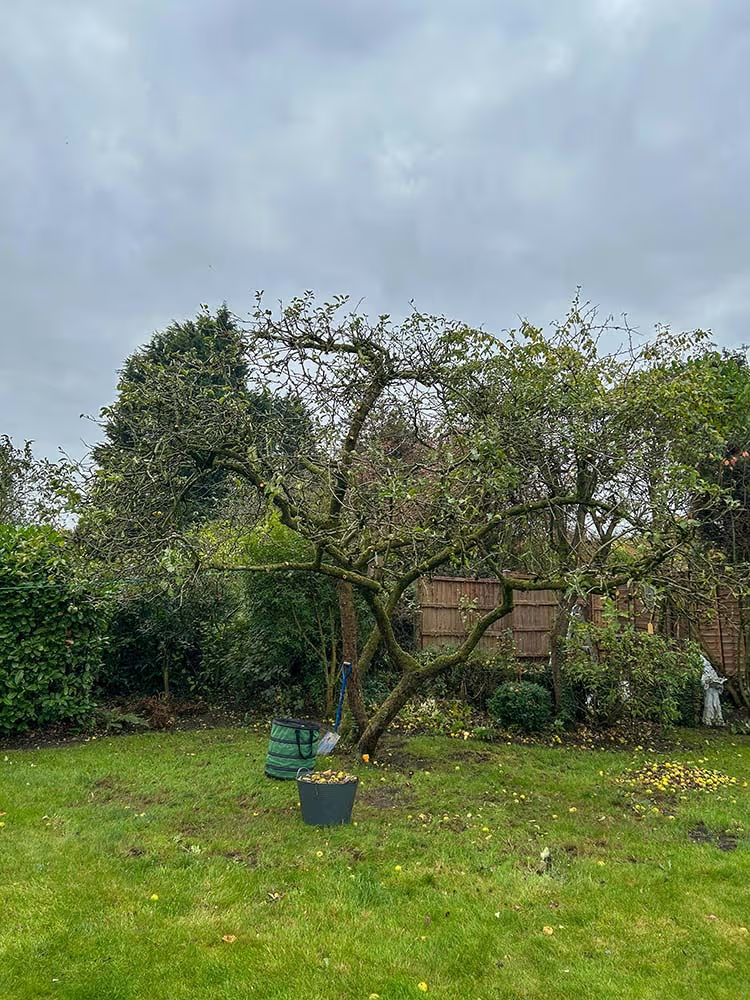
Project Breakdown
The situation
The apple tree had developed a very dense canopy with crossing branches and limited airflow. This was restricting light into the centre of the crown and affecting both the condition of the tree and the quality of fruit production. The objective was to open the canopy while retaining the tree’s natural shape.
The work carried out
We carried out a careful crown thinning, selectively removing smaller internal branches and congested growth throughout the canopy. Cuts were made back to suitable growth points to avoid excessive regrowth and maintain structure. This reduced weight and allowed more light and air to move through the tree without significantly altering its overall size.
The outcome
The tree now has a more balanced structure with improved light penetration across the crown. This supports healthier growth and better fruit development while making the tree easier to maintain in future seasons. All arisings were cleared and the garden left tidy after completion.
Professional Tree Care Built on Safety, Transparency, and Respect for Your Property
.avif)
We focus on doing things properly. From the first assessment to final clean-up, our approach is built around safe working practices, clear communication, and leaving your property exactly as we found it.
Fully Qualified & Insured
All work is carried out by trained arborists and fully insured for your peace of mind.
Safety-First Working Practices
Every job is planned and executed with safety as the top priority for your home, family, and surrounding area.
Clean, Tidy Finish Every Time
We remove all waste and leave your garden clean and tidy once the work is complete.