Tree Pruning
Professional pruning to improve tree health, manage size, and reduce risk while preserving the natural shape of the tree.
.avif)
.avif)
Service Overview
Understanding the different types of pruning
Tree pruning isn’t a single type of work — the method used depends on the tree’s size, condition, and surroundings. We assess each tree and recommend the most suitable approach to improve safety, health, and long-term growth.
Crown reduction
Crown reduction reduces the overall size of the tree by shortening selected branches back to appropriate growth points. This helps retain trees in smaller spaces such as gardens while reducing stress on the structure during strong winds.
Crown thinning
Crown thinning involves removing a portion of smaller branches throughout the canopy. This allows more light to pass through the tree, improves air circulation, and can reduce the risk of disease — particularly useful for dense or mature trees.
Crown lifting
Crown lifting removes selected lower branches to increase clearance beneath the canopy. This is commonly carried out above paths, driveways, roads, and gardens to allow safe access for people and vehicles while maintaining the natural shape of the tree.
Pollarding
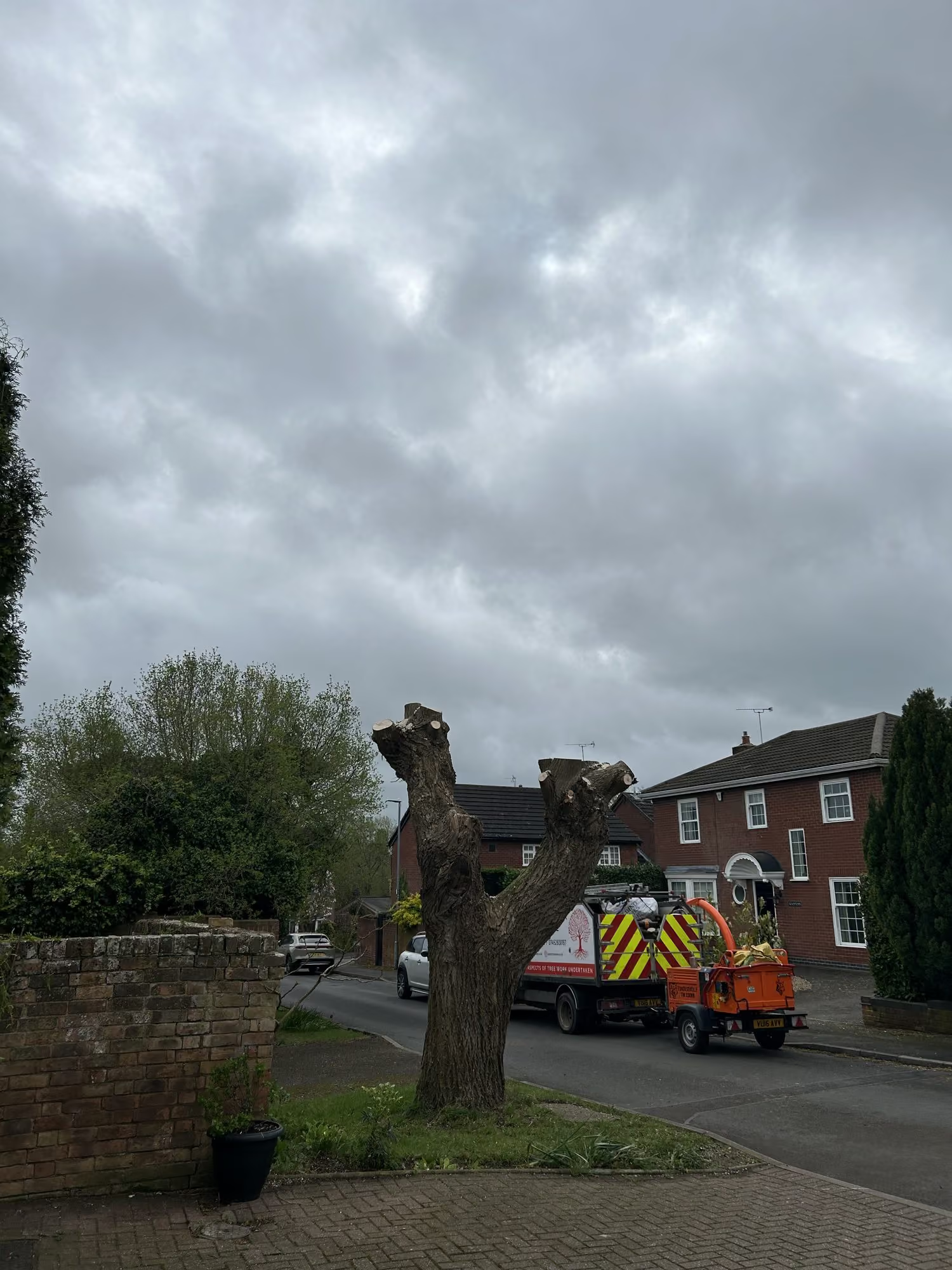
Pollarding is a specialist pruning method where upper branches are cut back to a set framework at a controlled height. It is typically used to manage larger trees in urban environments and must be maintained regularly to remain safe and healthy.
Choosing the right approach
Not every pruning method is suitable for every species or situation. The amount removed and the cutting points are carefully selected to protect the tree’s long-term health and stability. We will always explain the reasoning behind the recommended work before anything is carried out.
After the work is complete
All waste is removed and the area left tidy. We can also advise on future maintenance intervals to keep the tree in good condition and prevent unnecessary work later on.
What our tree pruning customers say:
★★★★★ “Professional and friendly service. Made a great job of our oak tree which was in real need of some TLC. Thanks to Ben & Jordan.” — Bob Reay, Google review
★★★★★ “Excellent service! They did a great job trimming and shaping our trees, working safely and efficiently. The price was fair and they left everything tidy afterward. Really pleased with the results — highly recommend!” — Lauren Stokes, Google review
★★★★★ “Highly recommend Ben and Jordan, did a fantastic job pruning our trees and trimming the conifer hedge. Will definitely have them again.” — Debbie Hughes, Google review
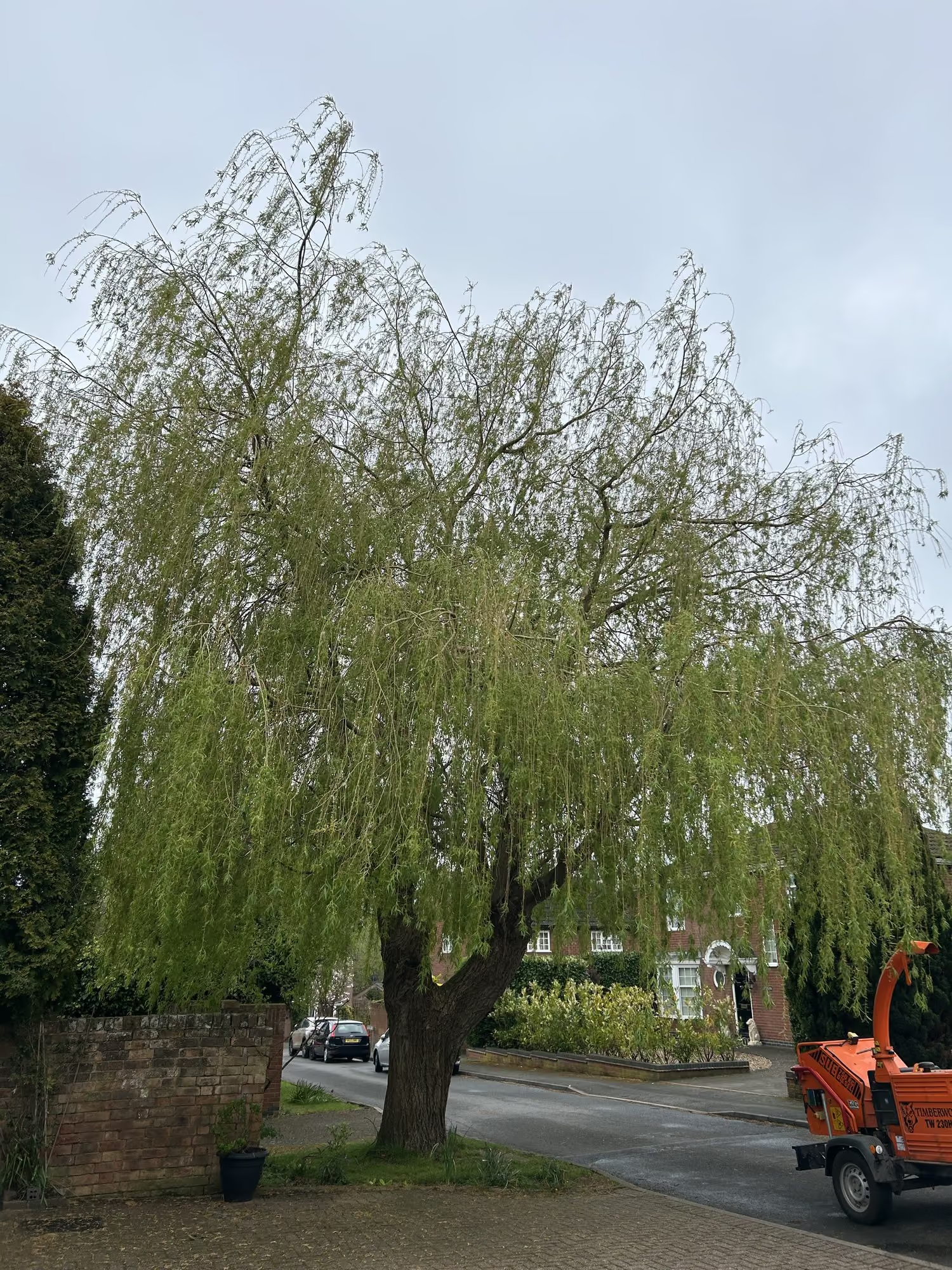
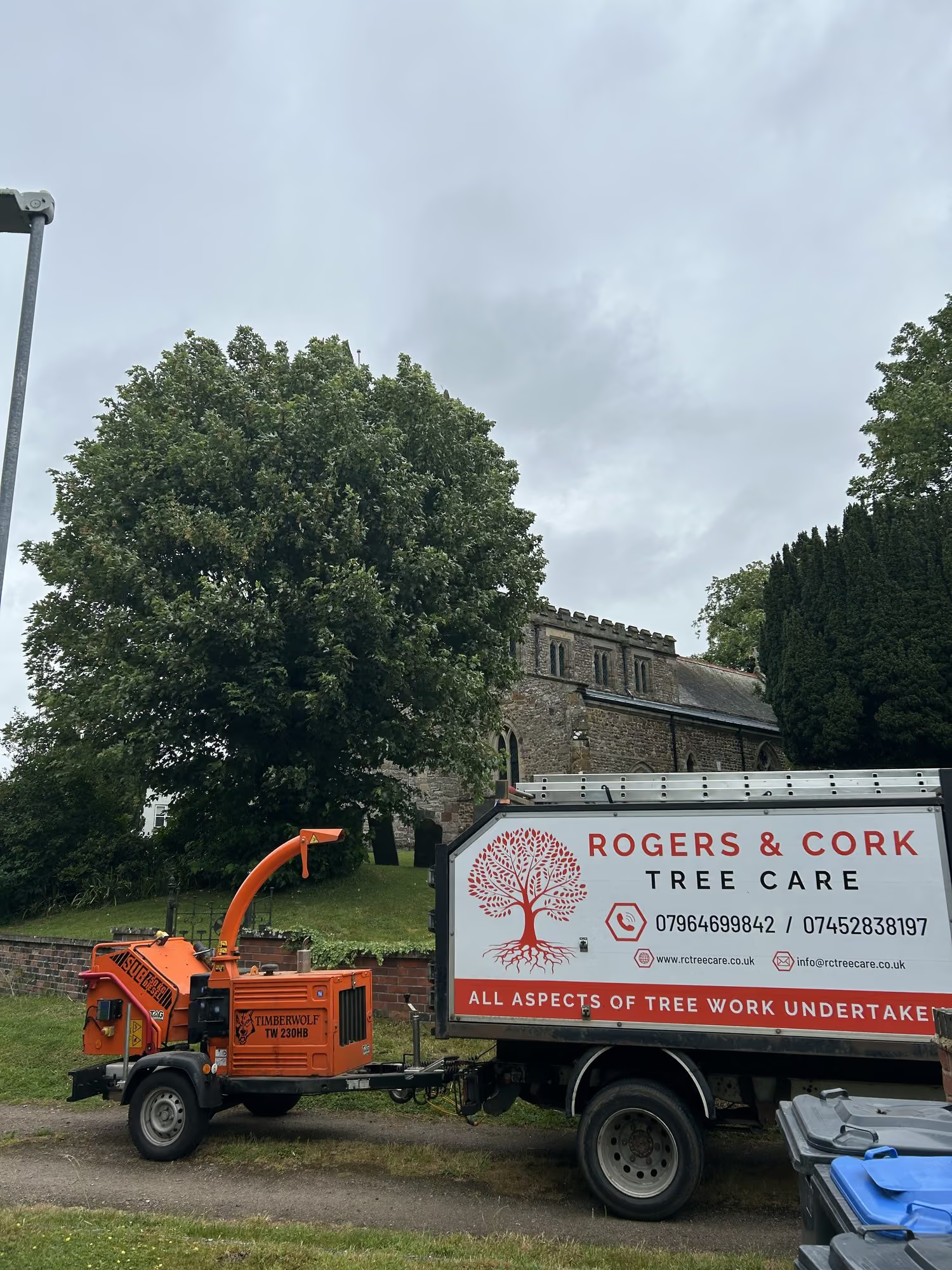
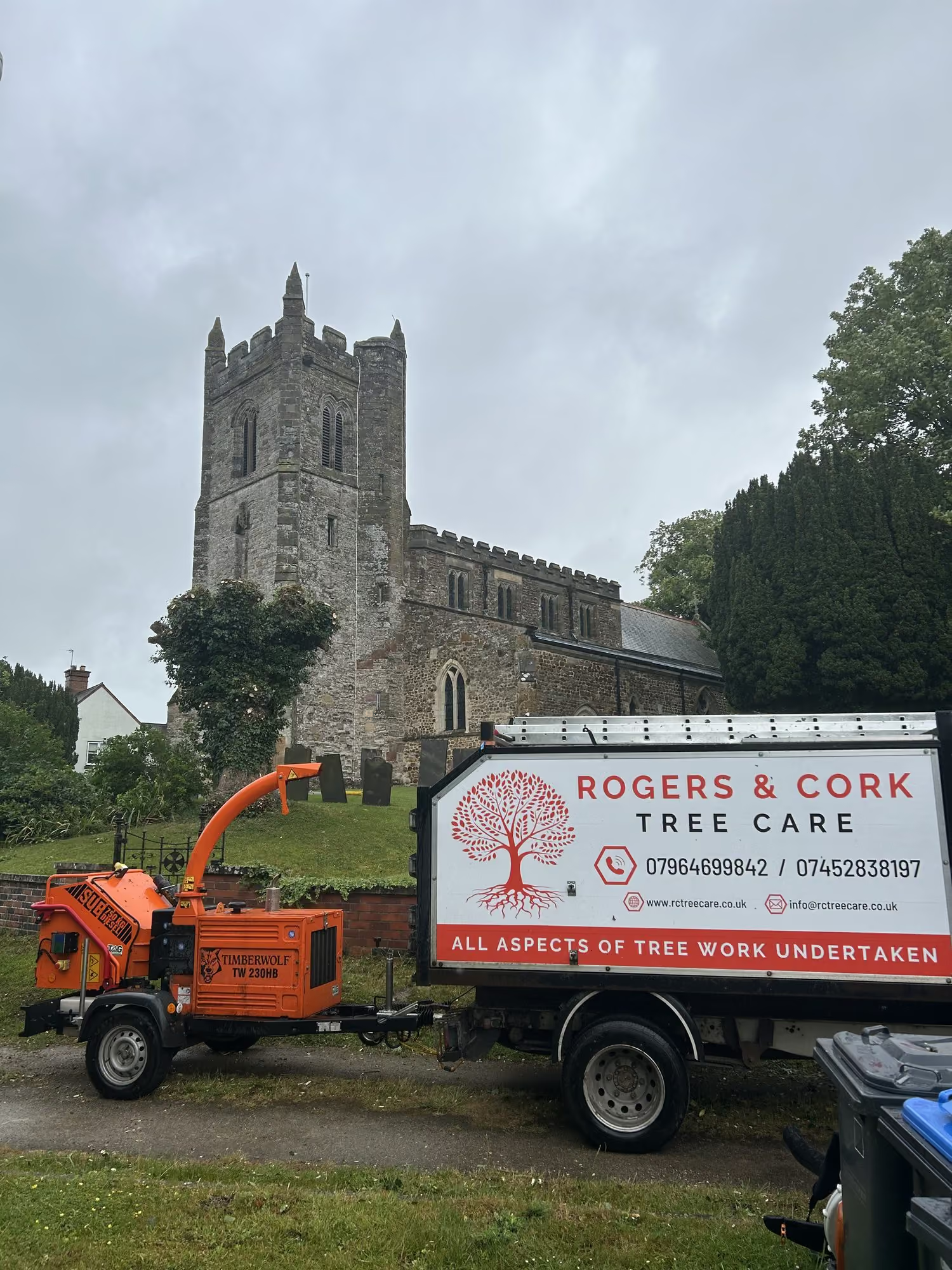
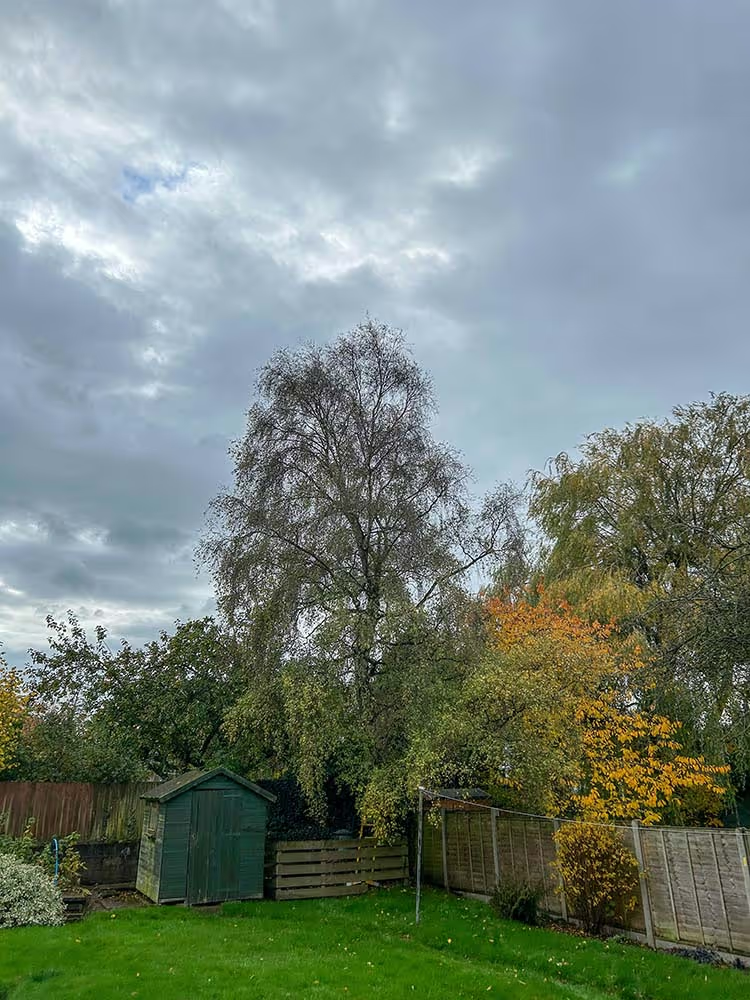
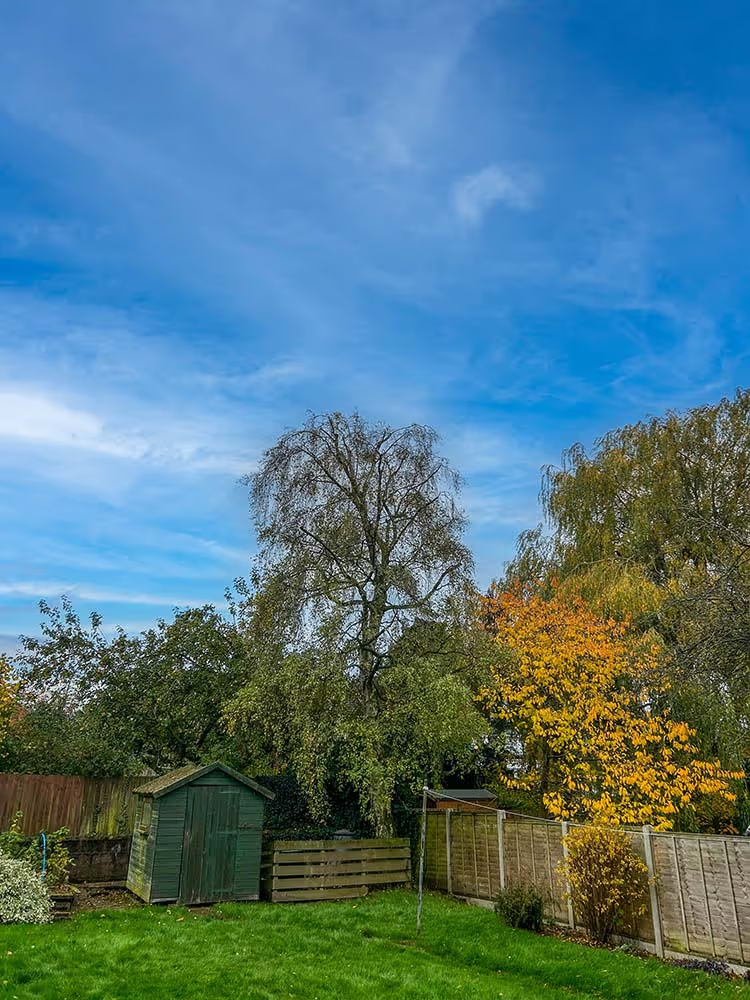
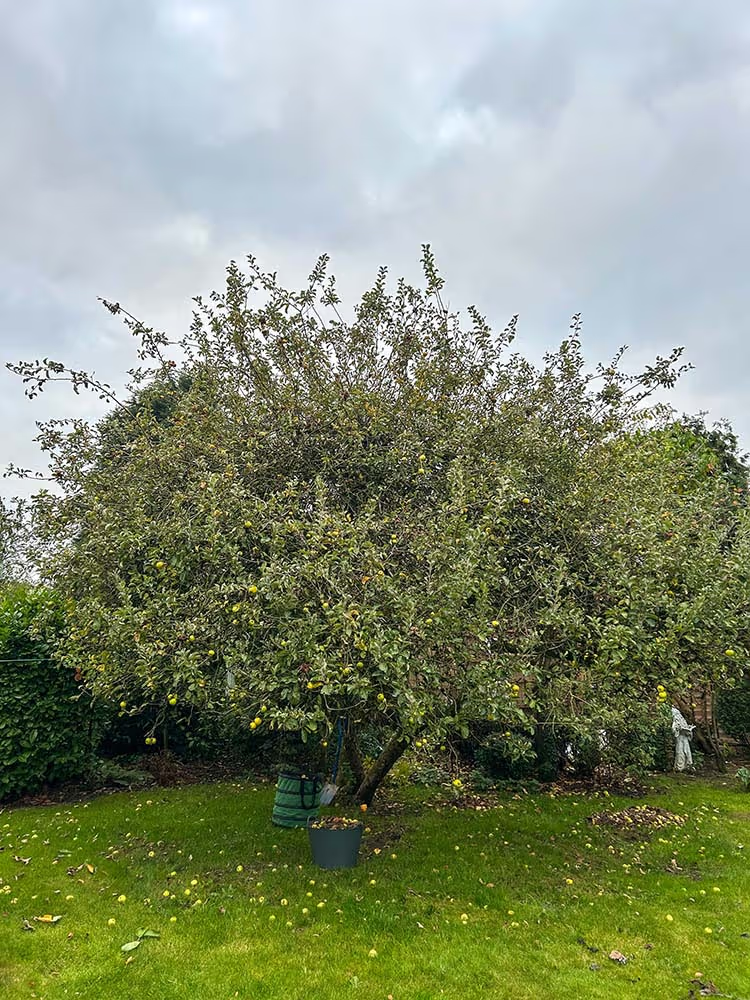
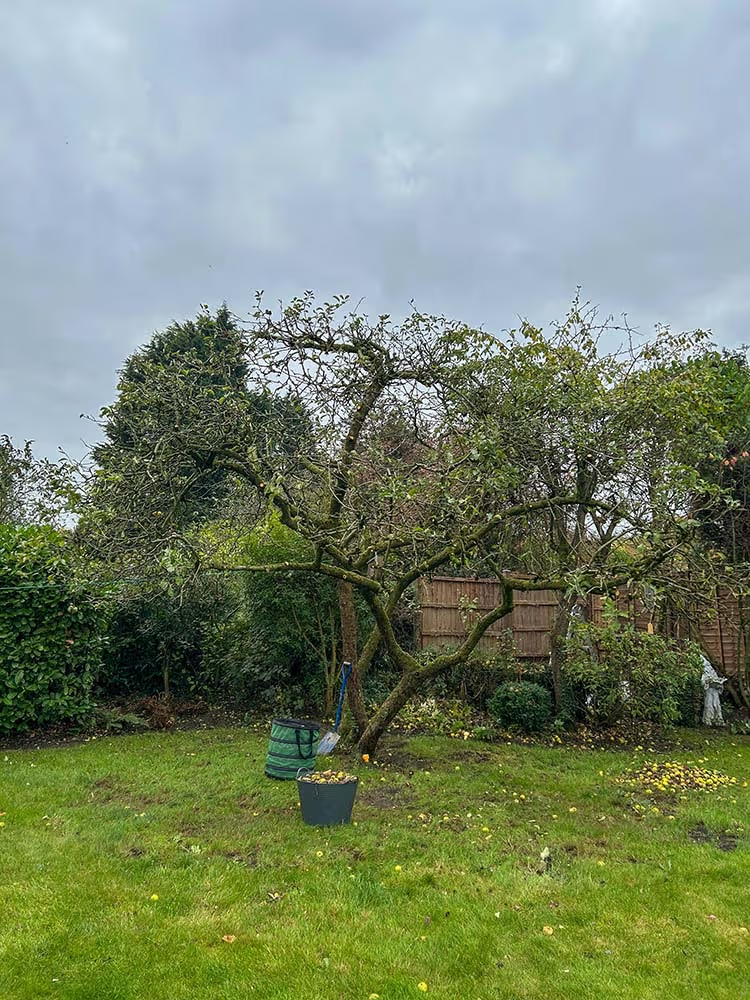
These are real jobs similar to the work described on this page. Every property, access point and tree condition is different, so each job is assessed individually and carried out with care for the surrounding area.
.avif)
.avif)
.jpeg)
.jpeg)
.avif)
.avif)
A Safe and Straightforward Way of Working
No matter which service you need, our approach stays the same. We start with an honest assessment of the work required, explain your options clearly, and carry out all work safely and professionally. Every job is carefully planned, with respect for your property and minimal disruption throughout.
Honest assessment and clear advice
Transparent pricing with no pressure
Safe, professional work from start to finish
.avif)